
Automation of a charitable foundation is no longer just a technological trend — it is now an essential condition for the survival and scaling of any social initiative. When a country or a specific region faces a crisis, public organizations are the first to bear the impact. Thousands of people reach out for help every day, asking the same questions over and over. If the team processes this avalanche of messages manually, it inevitably faces burnout, errors, and loss of beneficiaries’ trust. In this article, using a typical example, we will examine how the implementation of modern technologies and artificial intelligence can radically change team efficiency, freeing up precious human resources for solving truly complex, non-standard, and emotionally demanding tasks.
Why AI in the public sector is becoming a critical necessity
The traditional operating model of many non-governmental organizations looks like this: a few phones, several social media pages, and dozens of email inboxes. During peak loads, AI in the public sector becomes the only tool capable of keeping this communication chaos under control. Imagine a typical situation: a foundation announces the start of food kit distribution. Within the first hour, more than five thousand messages flood all communication channels.
Without technology, coordinators face a number of serious problems:
- Loss of critical requests: among hundreds of messages asking “What time do you open?” it is easy to miss a desperate plea for emergency medical evacuation.
- Delayed responses: due to the physical impossibility of typing quickly, response waiting time grows from minutes to days.
- Duplication of effort: different specialists may simultaneously reply to the same person in different messengers, wasting double the time.
- Emotional exhaustion of the team: monotonous script-based work kills motivation and leads to rapid staff turnover.
To avoid this scenario, managers need to rethink their workload distribution approaches and delegate routine tasks to algorithms.
Chatbot for NGOs as the ideal digital assistant
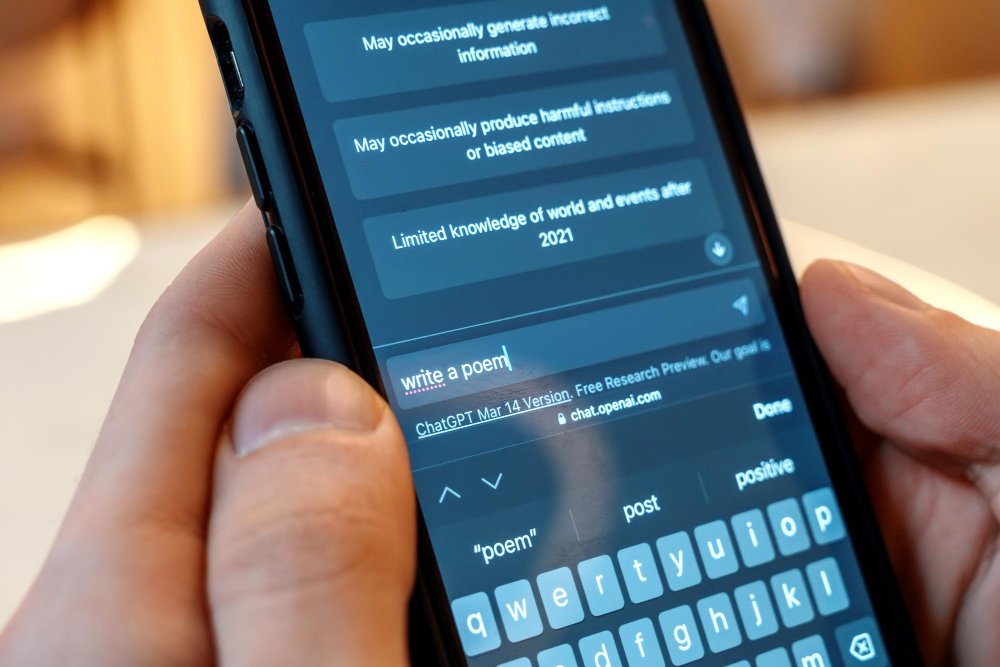
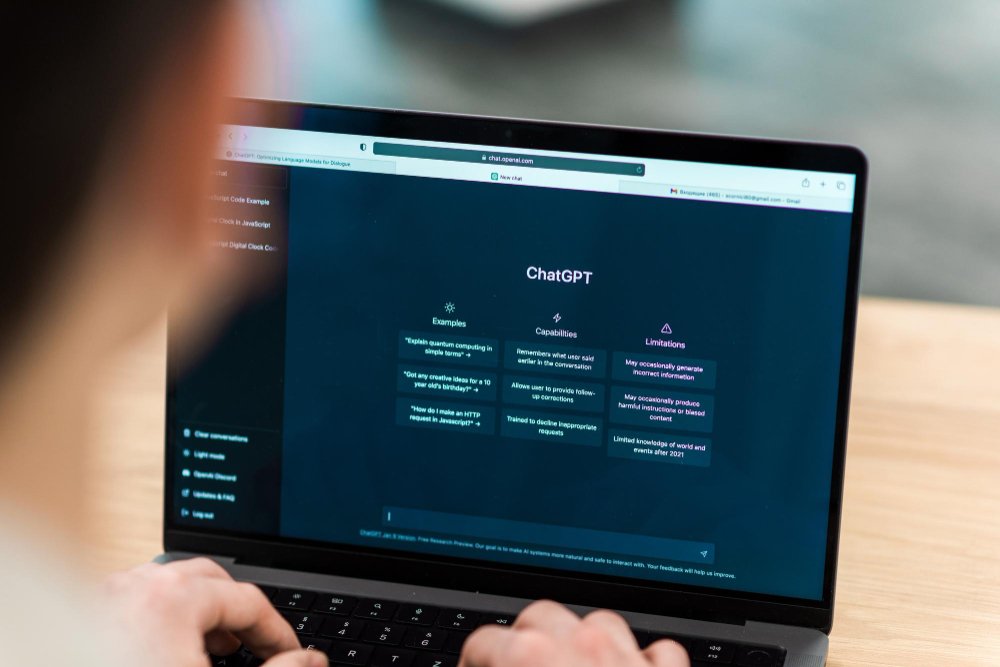
A properly configured chatbot for NGOs is your most diligent employee: it never sleeps, never takes sick leave, and can consult thousands of beneficiaries simultaneously. Modern text-based bots powered by artificial intelligence have long outgrown the stage of primitive buttons. Thanks to natural language processing (NLP) technologies, they understand context, can extract meaning from long texts, and provide relevant answers based on a loaded knowledge base.
For clarity, here is a comparative table of query processing efficiency:
| Service Parameter | Manual processing (before implementation) | Work with AI bot (after implementation) |
| Response speed | From 2 hours to 3 days during
peak loads. |
Instant response (less than 1 second) in 24/7 mode. |
| Cost per consultation | High. Requires staff expansion and training costs. | Minimal. Only platform or server usage fees. |
| Human factor | High risk of errors due to fatigue,
stress, or inattention. |
Absent. The algorithm strictly follows built-in instructions and scripts. |
| Data analytics | Collected manually, taking a lot of managers’ time and effort. | Automatic generation of reports, charts, and tagging of popular topics. |
Which tasks should be entrusted to the virtual assistant
For the system to work effectively, its architecture must be set up correctly. First and foremost, the bot should act as a primary filter. It handles perfectly tasks such as providing information about branch opening hours, the list of required documents for registration, current grant application status, and addresses of distribution points.
Hotline load reduction: results and impact on the team
When simple informational requests are handled by the bot, the hotline experiences immediate relief. This is the most noticeable and fastest result of digital transformation. Call center operators or social media managers stop working as walking information desks. Statistics show that 70–80% of all incoming requests to social institutions are typical.
The transition process to the new operating model consists of the following stages:
- Audit of requests: collection of the most frequent questions (FAQ) from the last quarter and analysis of text dialogues.
- Content preparation: writing clear, inclusive, and humane responses that the algorithm will use when communicating with the audience.
- Routing setup: creating logic so the bot recognizes a complex question (e.g., life-threatening situation) and instantly transfers the dialogue to a specialized specialist.
- Testing: checking the virtual assistant’s performance on a focus group before full launch to the entire foundation audience.
Reducing the phone queue waiting time from forty minutes to two is not just a dry metric. It means saved nerves for people in difficult situations and an overall increase in trust toward your mission.
Optimization of volunteers’ work: focus on complex tasks
The true value of technology lies not in replacing humans with machines, but in enhancing human capabilities. Deep optimization of volunteers’ work allows redirecting their emotional and intellectual resources where they are truly needed. Artificial intelligence cannot empathize, hold someone’s hand, or listen to a story of loss. Empathy is an exclusively human skill.
When employees are freed from sending the same Google form link a thousand times a day, they gain the opportunity to:
- Provide high-quality psychological support to those affected.
- Develop new strategic directions of aid and seek grant funding.
- Dive deeply into legally complex cases that require an individual approach.
- Build partnerships with other public organizations and international donors.
In addition, using intelligent systems helps structure internal processes. Every dialogue remains in the CRM system, enabling leadership to analyze population needs, forecast upcoming waves of requests, and prepare appropriate humanitarian resources in advance.
Conclusions on the digital transformation of the third sector
In summary, it can be confidently stated that digitizing processes in non-governmental organizations is an investment in the sustainability and longevity of a social project. Systematic automation of a charitable foundation allows overcoming communication barriers, making services available 24/7, and protecting the team from professional burnout. By implementing intelligent algorithms, you are not just installing software on a computer. You are creating a reliable ecosystem where technology handles routine tasks, and people remain people — with enough time and resources to create real change in society. Start small — analyze your most frequent requests, and you will see how much time can be saved already tomorrow.