
One careless message containing a client’s passport number or a draft of a large-scale grant application copied into a free neural network can destroy an organization’s reputation in minutes. AI data security today is no longer solely the concern of technical IT departments — it is the daily responsibility of every manager, volunteer, and leader. When employees try to speed up routine task processing using popular text algorithms, they often forget about the architecture of these services. Everything entered into a public chat window can be analyzed, stored on servers, and used for further model training. In this article, we will examine real threats of information leaks, compile a strict digital hygiene checklist for the team, and figure out how to integrate innovations without the risk of lawsuits or loss of beneficiaries’ trust.
Artificial intelligence and privacy: where the main threat hides
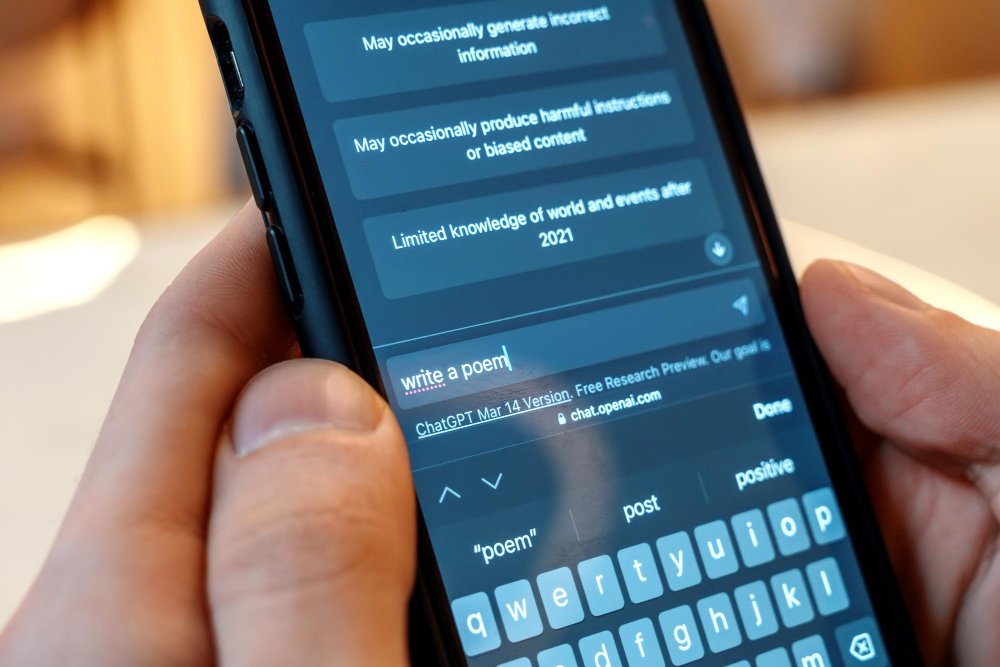
Most non-technical specialists mistakenly perceive popular large language models (LLM), such as basic versions of ChatGPT or Claude, as a closed personal notebook. However, artificial intelligence and privacy in their public, freely accessible format are practically incompatible concepts. The Terms of Service of such platforms usually include a clause stating that the developer reserves the right to collect, store, and analyze user-entered prompts to improve future products.
Why public algorithms are dangerous for commercial secrets
Neural networks constantly need terabytes of fresh content to become smarter and better understand natural language. If a financial director uploads an annual report into the system with the request “make a short summary,” those figures settle into the service provider’s database. There is a very real risk that later, when generating a response to your competitor’s or an independent analyst’s query, the algorithm might accidentally output fragments of your corporate secrets, treating them as part of its general knowledge. Clicking “clear chat history” in your browser only hides the dialogue from the screen — it does not instantly delete the data from the developer’s training servers.
Protection of clients’ personal data: red lines for the team
For charitable foundations, medical initiatives, and the commercial sector, protection of personal data is not just an ethical matter — it is a strict legal obligation regulated by legislation (for example, the European GDPR regulation). Leaking such information through the use of unverified digital tools leads to colossal fines, termination of partnership agreements, and complete blocking of company activities.
To minimize legal and reputational risks, the team must clearly understand what is categorically prohibited from being entered into open systems:
- Passport numbers, individual tax identification numbers (ITIN), photos of beneficiaries’ documents.
- Full bank details, credit card numbers, and CVV codes of donors.
- Medical diagnoses, medical histories, psychological conclusions, or any information about a specific person’s health condition.
- Exact residential addresses, geolocations of military personnel, personal phone numbers, and lists of email addresses.
- Access passwords to internal systems (CRM), API keys, and fragments of proprietary company software code.
Table: Information routing when working with AI
To make it easier for employees to navigate work processes, it is advisable to implement information classification. This table helps quickly determine which tool is safe to use for the current task.
| Sensitivity Level | Example Information | Allowed Actions with Open AI (free versions) | Work Requirements |
| Public (Low risk) | Published articles, press releases, public reports, general service descriptions. | Allowed. Can be freely uploaded for rewriting, translation, or creating social media posts. | No additional restrictions. |
| Internal (Medium risk) | Draft letters, operator scripts, templates for frequent questions. | Limited. Can be used only after full text anonymization. | Remove names, project titles, and exact figures before uploading. |
| Secret (Critical risk) | Client databases, financial analytics, grant budgets, medical questionnaires. | Strictly prohibited from entering into public web interfaces of chatbots. | Use exclusively closed On-Premise solutions or Enterprise subscriptions. |
Cybersecurity for business: corporate checklist and regulations
Today, effective cybersecurity for business begins with building a culture of digital hygiene among employees. It is not enough to simply prohibit the use of neural networks by management orders — people will still find ways to bypass restrictions to simplify their routine. The main task of management is to provide safe alternatives and introduce clear rules of the game.
To set up a secure corporate environment, follow this integration algorithm:
- Develop an AI Policy: Create an official internal document that clearly regulates interaction with intelligent algorithms. Familiarize every team member with these rules under signature along with the standard non-disclosure agreement (NDA).
- Conduct depersonalization training: Teach operators and volunteers to replace real names with pseudonyms (for example, “Client 1”) and exact financial figures with abstract variables before sending text to the system for error checking.
- Purchase Enterprise licenses: If your budget allows, use corporate versions of popular platforms. They feature a special contractual privacy mode that technically blocks the use of your sessions for training the developer’s base.
- Implement DLP systems (Data Loss Prevention): Configure corporate trackers that automatically block employees’ attempts to copy files marked “Secret” into browser windows or third-party extensions.
Online safety rules when deploying your own solutions
If an organization has outgrown third-party services and decided to create its own virtual assistant for beneficiary support on the website, basic online safety rules require moving to a more complex architectural level. Developing your own bot or integrating language models into your CRM system via API must comply with international cybersecurity standards.
When technically deploying your own projects, pay attention to these aspects:
- Local deployment (On-Premise): For processing critically sensitive information, deploy open-source models on the organization’s own physical servers. This guarantees that not a single byte of data leaves your company’s perimeter.
- Traffic encryption: All requests from the client to the algorithm and back must be transmitted exclusively through encrypted protocols (HTTPS, TLS) to prevent session interception by attackers.
- Context restriction (RBAC): Configure the system so that the AI agent has access only to a specific isolated segment of the knowledge base. A bot consulting website visitors should not have access to accounting or HR folders.
- Protection against prompt injections: Attackers constantly try to “break” bots with specially crafted tricky queries, forcing them to ignore the developer’s initial instructions and reveal hidden system data. Regularly conduct penetration tests (pentests) to check your algorithm’s resilience to such attacks.
AI data security as the foundation of trust in your organization
Innovations should never be implemented at the cost of losing privacy and compromising users. Responsible technology integration requires a delicate balance between the desire to optimize team resources and the need to strictly protect commercial or social secrets. Reliable AI data security is not a bureaucratic barrier to development — it is your strongest competitive advantage, forming unshakable trust from international donors, partners, and end beneficiaries. By delineating access levels, training the team in depersonalization rules, and choosing isolated architectural solutions, you build an impenetrable defense. Only by adhering to these fundamental rules can artificial intelligence become your powerful and safe ally in scaling any social change.